The Real Cost of Vacancy in Des Moines - And How to Stop It
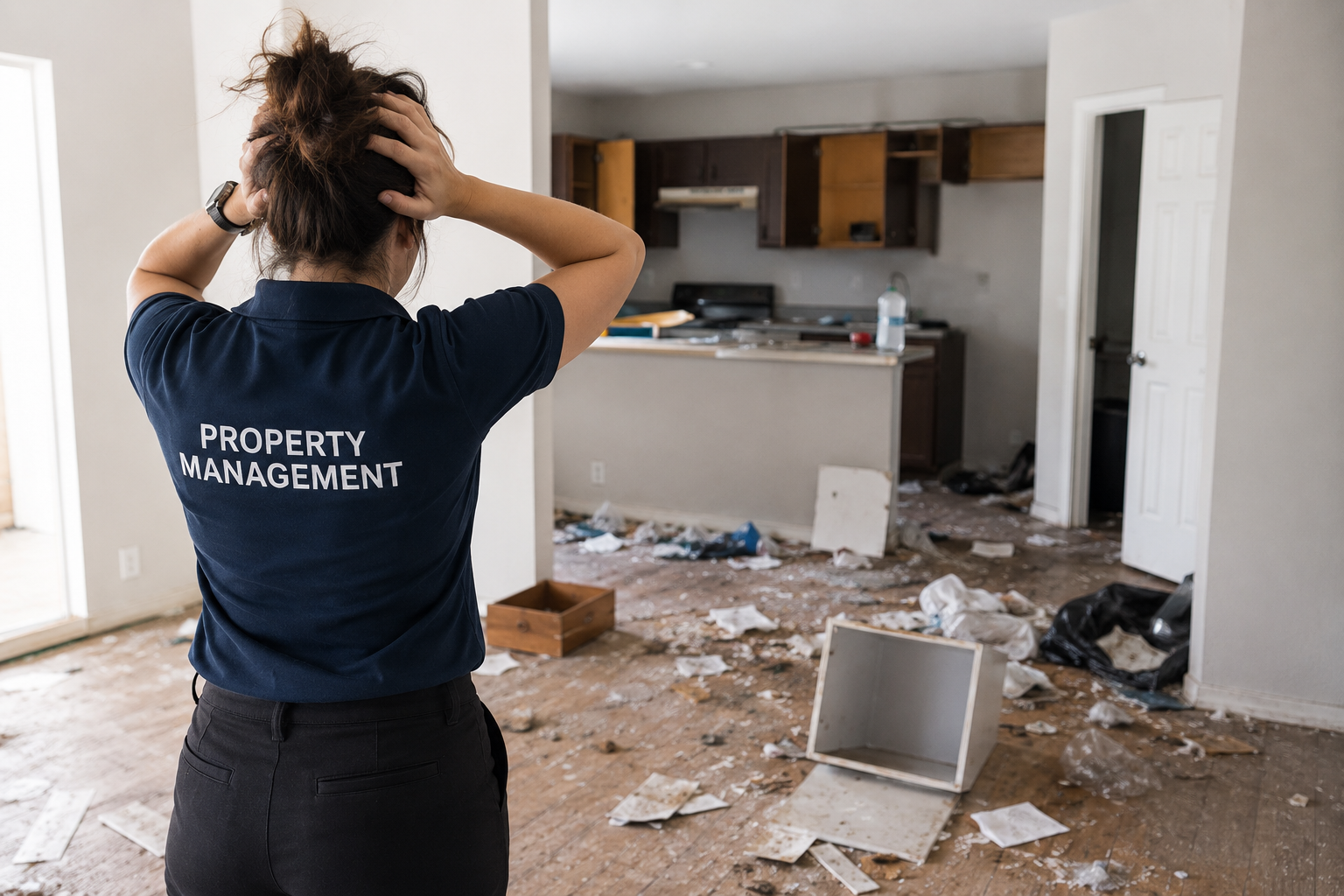
Ask most Des Moines landlords what vacancy costs them and they'll say something like “a month's rent.” That's the number they see — the gap on the rent roll, the empty unit, the $1,100 they didn't collect.
The real number is almost always higher. Sometimes significantly higher.
Understanding the true cost of vacancy — and more importantly, what drives it — is one of the most important shifts a small investor can make. In a market where the average days-to-fill sits around 34 days, the difference between a reactive and a proactive leasing approach is measured in thousands of dollars per turn.
The Full Cost of a Vacant Unit
When a unit sits empty, most landlords count the lost rent. Fewer count everything else.
Lost rental income is the obvious one. At Des Moines's average rent of roughly $1,100 for a two-bedroom, a 34-day vacancy costs about $1,247 in lost rent alone.
Utilities don't stop. In Iowa, vacant units still need heat in winter to prevent pipe damage. That's a real cost you're carrying.
Leasing friction adds up. Professional photos, listing fees, time spent showing the unit, application processing — whether you're doing it yourself or paying someone, there's a real cost here.
Deferred maintenance surfaces. The moment a unit turns over is when you discover everything the previous tenant didn't report. Those repairs don't disappear during vacancy — they just get done on your timeline instead of theirs, often at emergency vendor rates.
Carrying costs continue. Mortgage, insurance, property taxes — none of these pause because your unit is empty.
Add it together and a single 34-day vacancy on an average Des Moines unit realistically costs $1,500–$2,500 when you factor in everything. On a portfolio of even three properties, that's a meaningful drag on annual returns.
Why Most Landlords Stay Reactive
The most common leasing approach goes like this: tenant gives notice, landlord posts on Zillow, starts showing the unit, hopefully finds someone before the first of the month. This is reactive leasing — you're responding to a vacancy that's already happening.
It's the default for self-managing landlords and, frankly, for many property managers as well. The problem is that it accepts the vacancy as inevitable and just tries to minimize how long it lasts.
There's a better framework.
The 90-Day Proactive Leasing System
At Grassroots Property Management, we treat every lease expiration as an event we start preparing for three months in advance. Here's what that looks like in practice:
90 days out: We reach out to the current tenant to gauge renewal interest. If they're staying, great — we lock it in early. If they're leaving, we know immediately and the clock starts.
60 days out: Decision is made. If the unit is turning over, listings go live with professional photos, we syndicate across every major rental platform, and tours and applications begin. We have two full months to find the right tenant before the unit is even vacant.
30 days out: We conduct a pre-move-out inspection. This lets us identify what repairs and make-ready work will be needed and pre-schedule every vendor. The day the tenant moves out, contractors are already lined up to go in. When they finish, the cleaner is already scheduled.
The result: units turned in seven days or less. Our recent turns at Market Street Apartments have consistently come in inside that window — in a market where the average is 34 days.
The Lease Renewal Lever Is Bigger Than You Think
There's an even better outcome than a fast re-lease: not losing the tenant at all.
Every lease renewal you secure is 34 days of vacancy you avoided entirely. It's also avoided leasing friction, avoided make-ready costs, and a tenant who already knows your property and your expectations.
The national average for lease renewals hovers around 50–60%. In Des Moines, roughly 60% of renters renew their leases. That means proactive renewal outreach — reaching out before the tenant starts apartment shopping, not after — can meaningfully move that number in your favor.
Small gestures help: a responsively managed maintenance request in month eight, a professional relationship throughout the tenancy, and a renewal conversation that happens at 90 days rather than 30.
What You Can Do Right Now
Whether you're self-managing or working with a property manager, here are the practical steps:
Know your lease expiration dates at least 90 days in advance — not 30
Start renewal conversations early — month 9 of a 12-month lease, not month 11
Have your vendor list ready before you need it — an HVAC tech, painter, and cleaner you can call the day a unit turns over
Price to the market — overpriced units sit longer, and a month of vacancy costs more than six months of slightly below-market rent
Get photos done before the tenant leaves — or immediately after move-out, not when you're ready to list
The Bottom Line
Vacancy is the single biggest drag on rental property returns for most small investors in Des Moines. The market is competitive enough that a well-priced, well-managed unit should rarely sit for more than two weeks. If yours are sitting longer, the issue usually isn't demand — it's timing and process.
If you'd like to talk through what proactive leasing looks like for your specific property, we'd be happy to have that conversation.
Ready to stop losing money to vacacny? Book a free consultation!