

Grassroots Blog
Stay Up to Date on Landlording News and Tips
More Below!
Check out the Podcast!
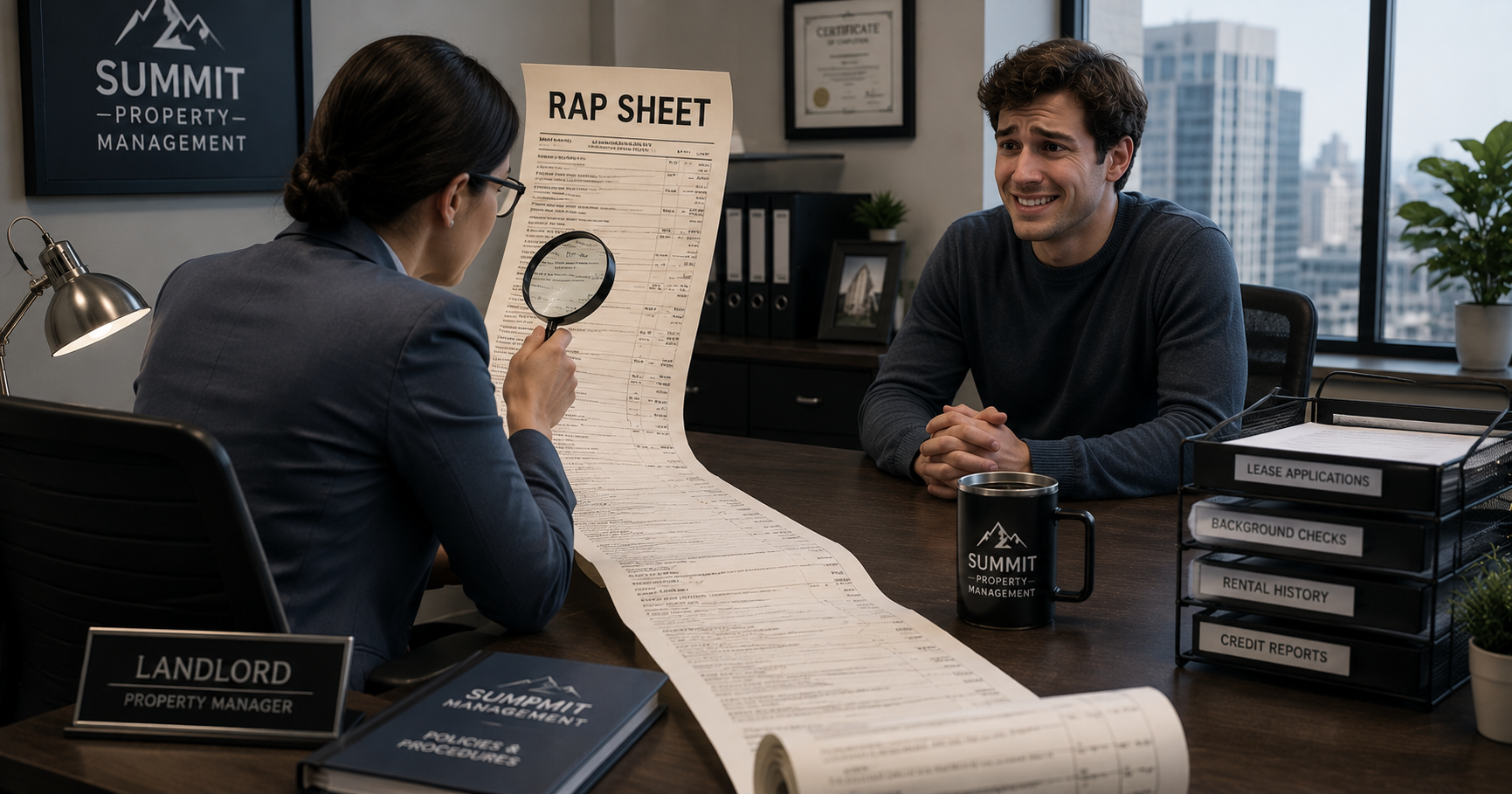
Background Check for Tenants: What Landlords Need to Know
1 in 4 background checks reveal criminal history. Here's what landlords need to know about running checks, interpreting results, and making fair decisions.

Rental Property Management Checklist: Everything Small Landlords Need to Know
Managing rental properties means juggling tenant screening, pet screening, maintenance, rent collection, and legal compliance. Here's the complete checklist that keeps landlords organized, compliant, and profitable.

5 Red Flags When Screening Tenants
Prevention is cheaper than correction. Here's how professional property managers identify red flags in applications and avoid bad tenants - before they cost you thousands.

Reducing Vacancy in Rental Properties: 6 Strategies That Work
Every percentage point of vacancy reduction equals significant annual revenue. Here are 6 strategies - from proactive renewal to pet-friendly policies - that professional property managers use to keep units filled.

HOW TO FILL VACANT RENTAL UNITS FASTER
Vacant units cost $1,000–$3,000 per month in lost rent alone. Here's the 90-day proactive system that gives you two full months to screen and select the right tenant—instead of panic-filling the first applicant.

PET SCREENING FOR LANDLORDS
71% of U.S. households own pets—but most landlords either ban them or allow them without screening. Here's how professional property managers screen pets systematically and unlock thousands in additional revenue.
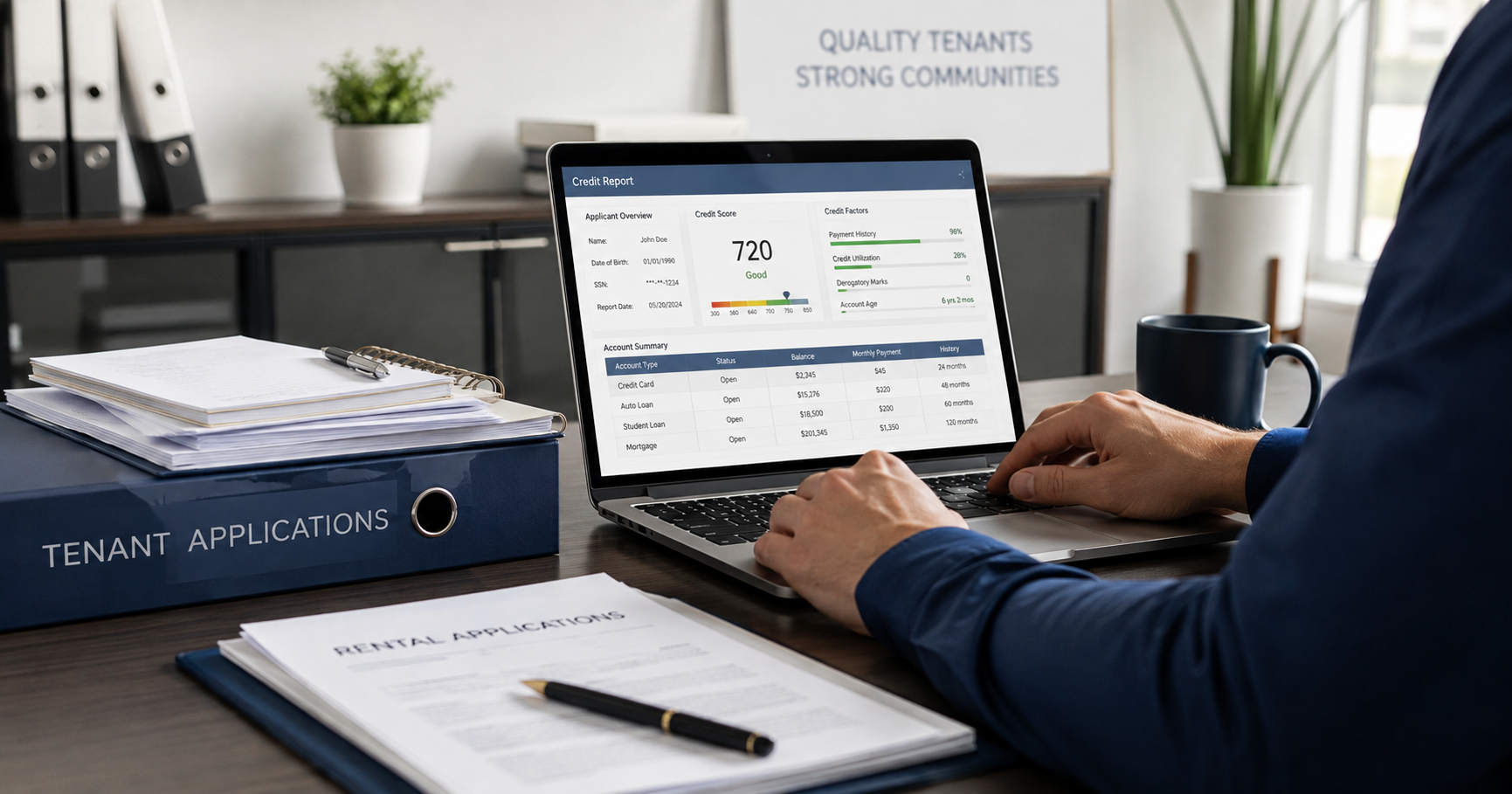
HOW TO SCREEN TENANTS
Screening tenants properly is the difference between a profitable rental and a nightmare. Learn the 5-point system used by professional property managers to catch red flags before they cost you thousands.
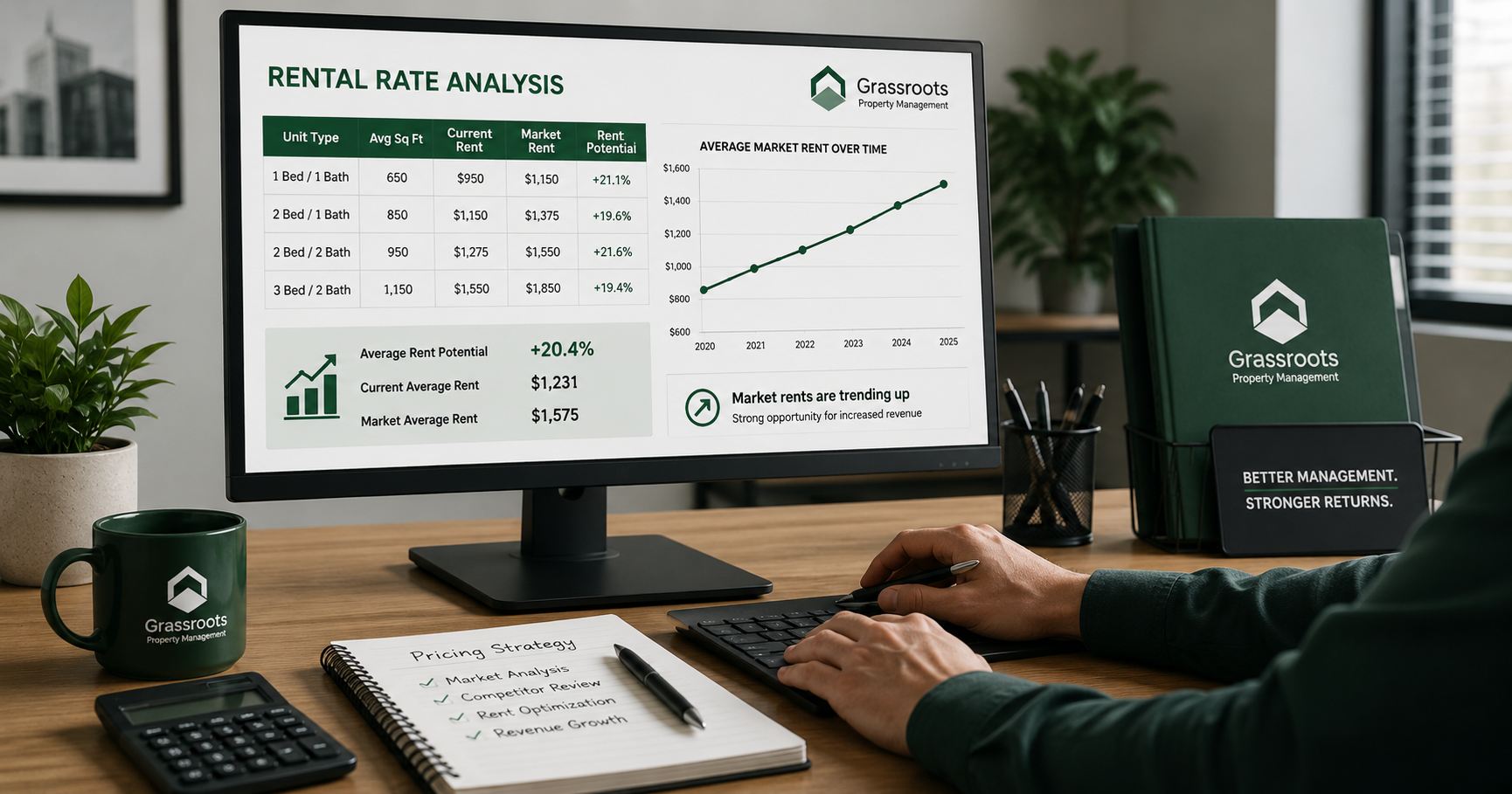
How to Price Your Des Moines Rental Property in 2026
Pricing a rental property sounds simple. Pick a number, post it, see if anyone bites. In practice, it's one of the decisions that most directly determines your annual return — and one of the areas where small landlords most consistently leave money on the table or price themselves into extended vacancy.
In Des Moines's current market — rent growth of 2.8% projected in 2026, average occupancy around 93.5%, and strong demand in suburban submarkets — there's real room to push rents if you price intelligently. Here's how to do it.

Iowa Landlord-Tenant Law: What Every Des Moines Rental Owner Needs to Know
This isn't a comprehensive legal guide, but this covers the areas where landlords most commonly make costly mistakes.
Iowa's landlord-tenant law is contained primarily in Iowa Code Chapter 562A - the Iowa Uniform Residential Landlord and Tenant Act. It covers everything from security deposit limits to eviction procedures, and it has specific requirements that many small landlords in Des Moines either don't know about or don't follow consistently.
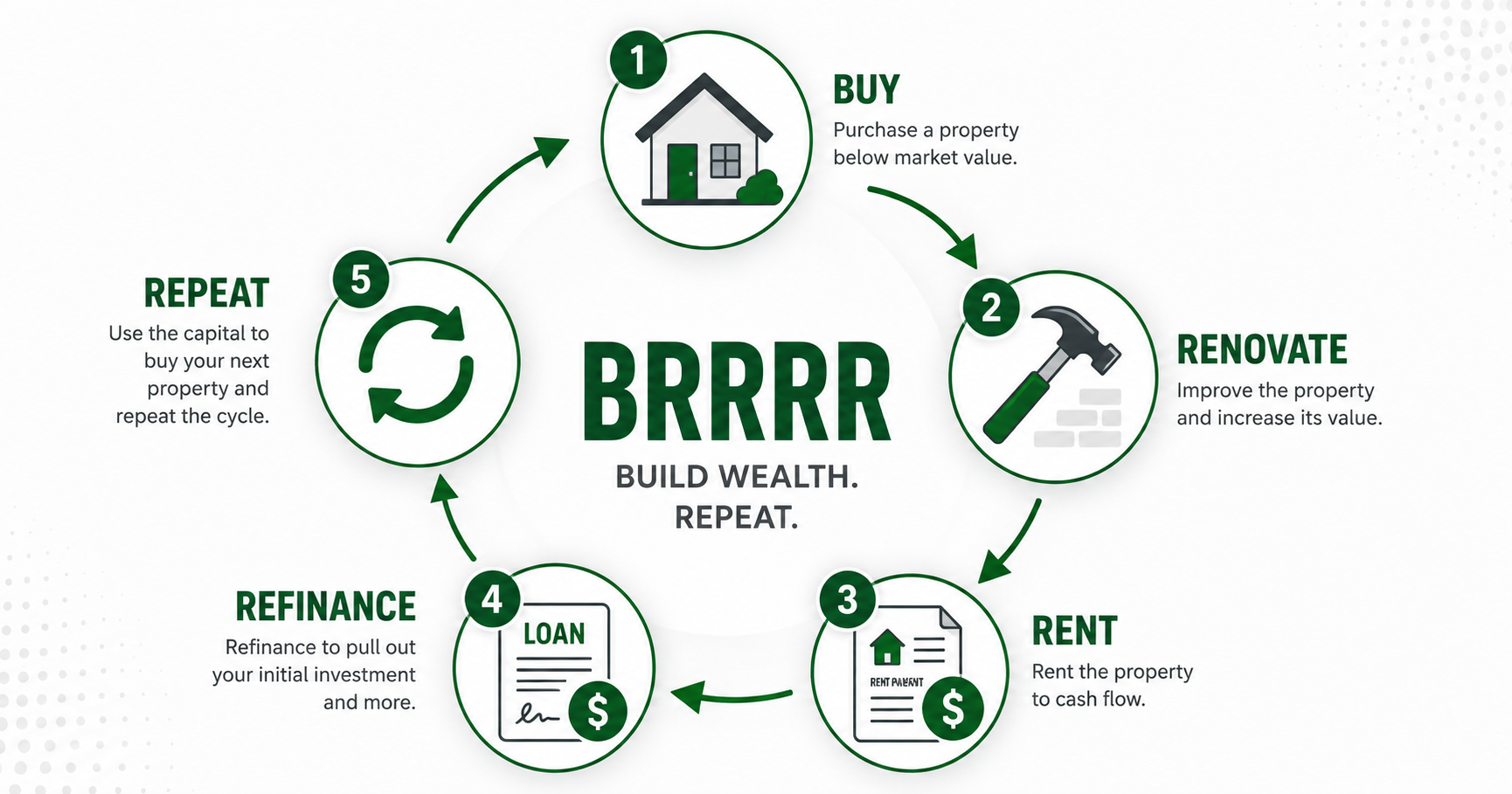
The BRRRR Strategy in Des Moines: Does It Still Work in 2026?
The BRRRR strategy - Buy, Renovate, Rent, Refinance, Repeat - has become one of the most talked-about frameworks in real estate investing over the past decade. The idea is straightforward: buy a distressed property below market value, force appreciation through renovation, rent it out, refinance based on the new appraised value to pull out most or all of your initial capital, then redeploy that capital into the next deal.
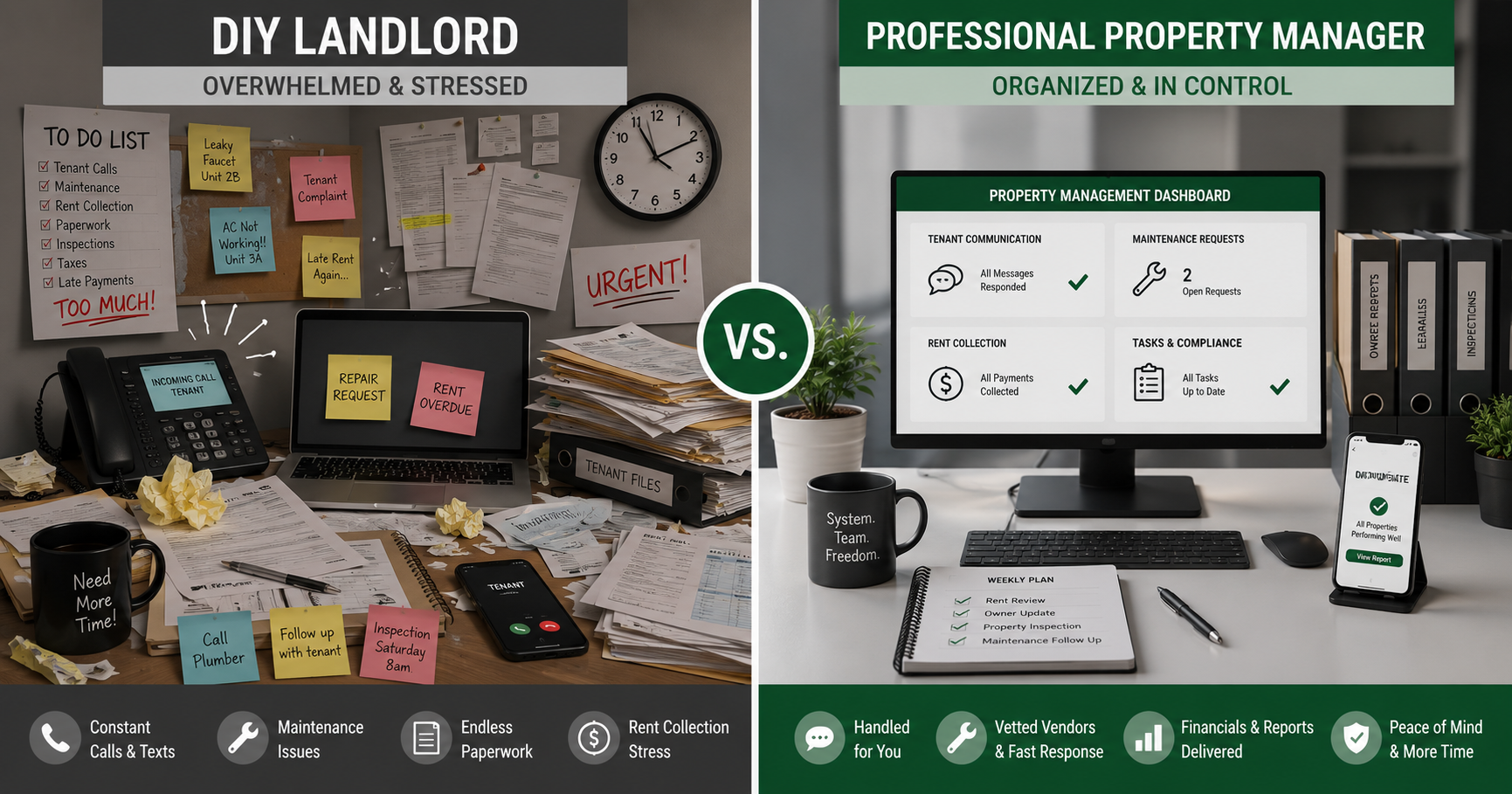
Self-Managing vs. Hiring a Property Manager in Des Moines
This is one of the most common questions small investors in Des Moines wrestle with: is professional property management worth it, or am I just paying someone to do what I can do myself?
It's a legitimate question, and the honest answer is: it depends on what you're actually accounting for.

How to Screen Tenants the Right Way in Des Moines - Without Breaking Fair Housing Law

Cap Rate vs. Cash-on-Cash Return: What Des Moines Investors Need to Know

Des Moines Real Estate Market Update: What Investors Should Know in 2026

Why Preventive Maintenance Is the Highest-ROI Decision You Can Make as a Des Moines Landlord
Most landlords think about maintenance the same way they think about the dentist: you go when something hurts. A tenant calls about a broken furnace in January. The water heater fails on a Friday night. The roof starts leaking the week after a heavy storm.
Reactive maintenance isn't just stressful — it's expensive. Emergency service calls, rush vendor rates, water damage that compounds because nobody caught the slow leak, HVAC replacement that could have been a tune-up. Every one of these costs more than it would have with a proactive approach.
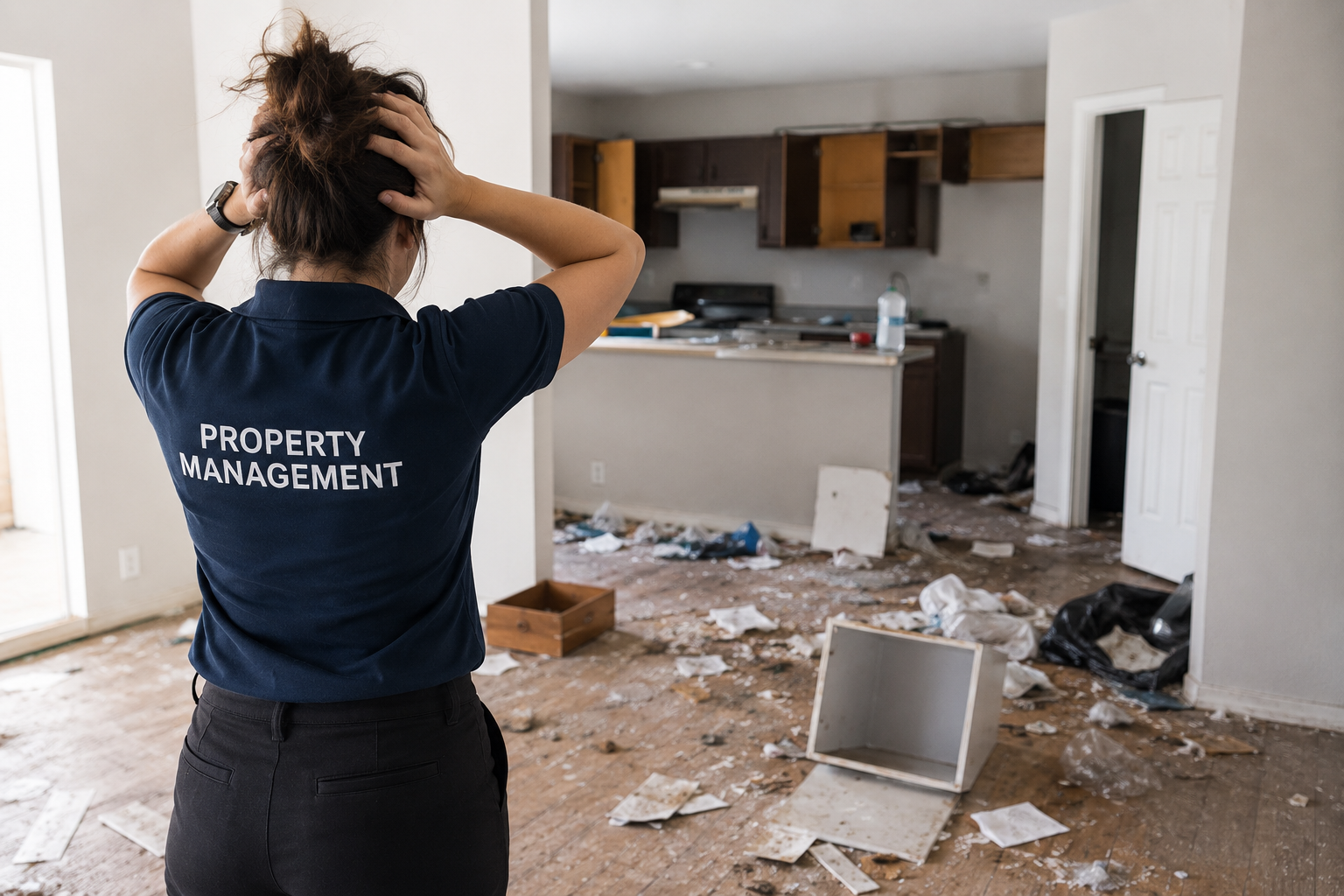
The Real Cost of Vacancy in Des Moines - And How to Stop It
Ask most Des Moines landlords what vacancy costs them and they'll say something like “a month's rent.” That's the number they see — the gap on the rent roll, the empty unit, the $1,100 they didn't collect.
The real number is almost always higher. Sometimes significantly higher…

The Landlord's Case for Preventive Maintenance: What the Research Actually Shows
Most landlords know preventive maintenance is a good idea in the same vague way they know they should exercise more. The logic is obvious. The follow-through is inconsistent. And the real cost of not doing it tends to show up quietly — in the emergency HVAC call in January, the burst pipe in February, the tenant who didn't renew because nothing ever got fixed on time.
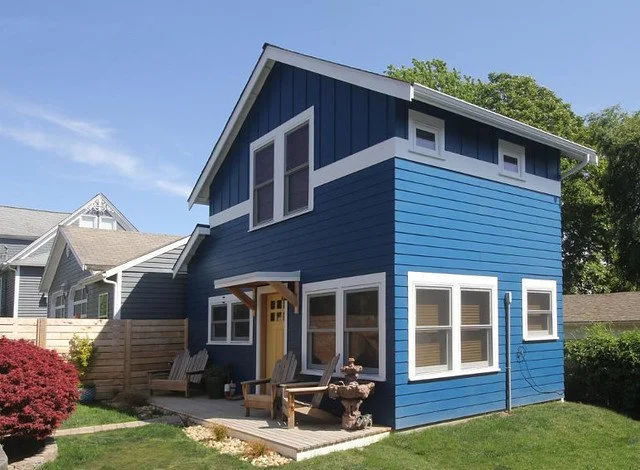
What Des Moines ADU Zoning Actually Means for Rental Property Owners
If you own a single-family rental in Des Moines and haven't looked into ADUs yet, you're leaving a rental unit on the table.
In July 2025, Iowa passed a statewide law permitting one accessory dwelling unit per residential lot across the state. Des Moines already had its own ADU ordinance in place - updated in 2022 to expand the number of qualifying properties by up to four times - but the state law reinforces and extends that access across the broader metro. For small investors in the Des Moines area, this is one of the most significant zoning changes in years.
Here's what you actually need to know.